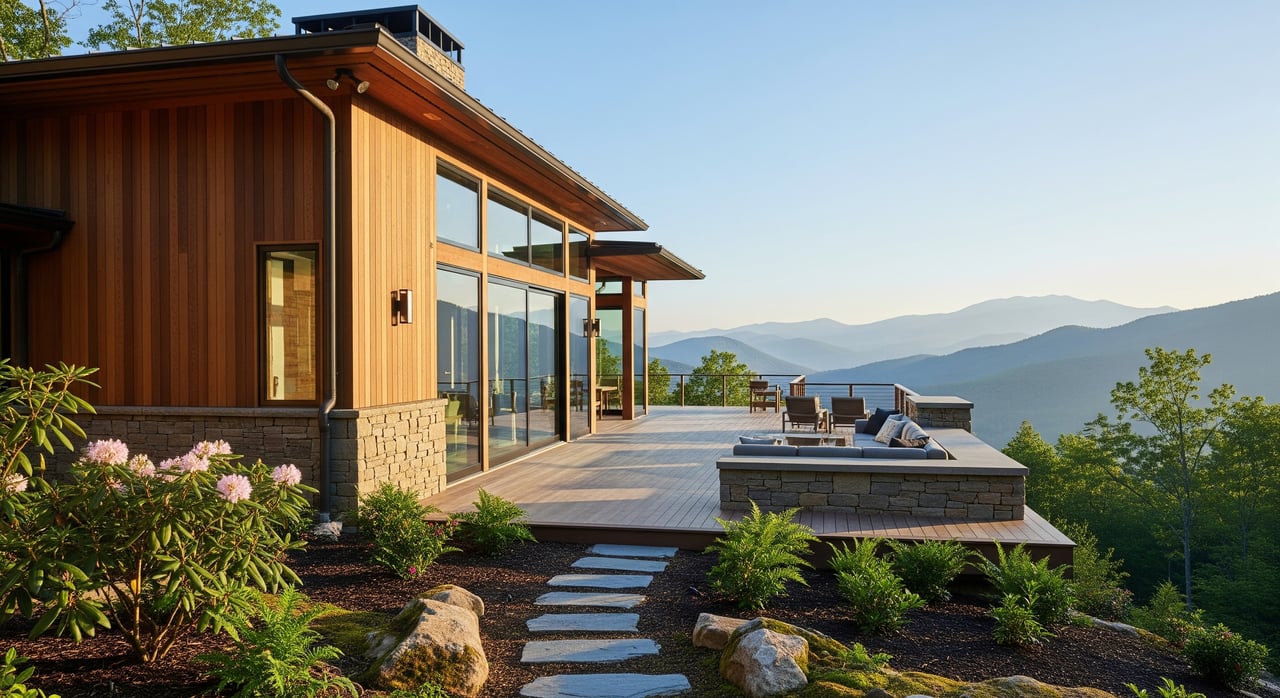
Thinking about a mountain home near Pisgah Forest but unsure when to jump in or how to compete? You are not alone. Rates have moved around, inventory can be thin, and mountain properties come with unique considerations. In this guide, you will learn what is shaping demand in Western North Carolina, how seasonality works in Transylvania County, what to know about short‑term rentals, and how to write a winning offer without overextending. Let’s dive in.
Why demand stays strong in Pisgah Forest
Pisgah Forest draws buyers who want outdoor access, privacy, and small‑town convenience. Trails, waterfalls, and proximity to Brevard keep interest steady for both primary and second‑home buyers. Access to Asheville and regional services adds to the appeal for remote and hybrid workers.
Mortgage rates and buyer urgency
Rates rose sharply starting in 2022, which cooled some activity and made monthly payments jump. When rates dip or stabilize, urgency often returns, especially among prepared buyers. You can track trends using the Freddie Mac mortgage rate data. Broader buyer behavior and demand patterns are outlined in NAR market reports, which show interest has shifted but remains resilient in lifestyle markets like Western NC.
Who is buying in this area
You will see a mix of local professionals, remote workers, and retirees drawn to the trail network and scenic settings. Second‑home shoppers value proximity to Pisgah National Forest and ease of access to town. Investors explore short‑term rentals where allowed, focusing on areas near recreation and amenities.
Inventory, pricing, and seasonality
Inventory across mountain counties remains low to moderate compared to pre‑2020 norms, and it varies by price band and property type. Smaller cabins and well‑located cottages tend to move faster than larger, more remote homes or raw acreage. Off‑market opportunities can matter here, so strong local relationships increase access.
Pricing patterns you can expect
Prices surged in 2020–2022, then moderated as rates climbed. Desirable micro‑markets near Pisgah access, scenic ridgelines, or water features often outperform county averages. Appraisals can be challenging due to unique lots and features, so build in time and strategy for appraisal risk.
The best times to shop
New listings often ramp up in late winter through spring, with peak activity from spring to early fall. Leaf season draws more showings, which can raise competition. Late fall and winter sometimes bring more negotiation room, although inventory can be thin in specific property types. If you want a home ready for summer or fall use, start your search in late winter.
For a quick sense of seasonal listing swings, check broad patterns from Zillow Research and the Redfin Data Center.
Second homes and STRs: what to know
Short‑term rental demand in mountain towns tends to track outdoor recreation, festivals, and fall foliage. Properties close to trailheads and town amenities often see stronger occupancy. To assess revenue potential, many buyers review AirDNA benchmarks for local ZIP codes.
Rules, permits, and taxes
Rules vary by county and town, so verify before you buy. Start with the Transylvania County site and the Town of Brevard for current ordinances or registration requirements. If you are comparing across counties, also review Jackson County’s resources. Owners typically must comply with occupancy tax collection and report rental income. For tax guidance, consult the NC Department of Revenue.
Operating costs and management
Mountain homes can have higher operating costs due to private road maintenance, steep driveways, drainage, and seasonal access. Out‑of‑area owners often hire professional managers, and fees impact net income. Insurance needs can differ for STR use, wildfire exposure, and flood risk, so budget for due diligence early.
How to craft a winning offer
When inventory is tight or a listing is hot, the cleaner and more confident your offer, the better your odds. Consider these proven components:
- Get a strong lender pre‑approval or be ready with proof of funds if paying cash.
- Offer solid earnest money within local norms and set clear, prompt timelines.
- Keep inspection periods efficient, for example 7 to 10 days, while preserving your right to investigate.
- Align closing with the seller’s needs, and consider leasebacks when appropriate.
- Use an appraisal gap clause only if you can safely cover the difference. This helps when comps are scarce but adds risk.
- Consider an escalation clause if multiple offers are expected, and set a firm cap you are comfortable with.
Due diligence checklist for mountain properties
- Water and septic: Confirm well flow, water quality, and septic permits and capacity.
- Access and roads: Verify public versus private access, road maintenance, and winter drivability.
- Easements and land use: Review any utility or conservation easements and deed restrictions.
- Natural hazards: Check flood zones and ask about landslide or wildfire risk. Insurance availability and premiums may be affected.
- Utilities and broadband: Confirm electric service, propane options, and internet speeds if you plan to work remotely.
- Title and survey: Order a current survey, especially for acreage or complex boundaries.
- Appraisal comparability: Expect fewer like‑kind comps. Plan for appraisal conversations early.
Financing and inspection tips
If a property needs work, renovation financing can be useful. Conventional loans are common on cabins and older homes that may not meet FHA or VA property standards. Use inspectors familiar with wells, septic systems, mountain drainage, and foundations. Consider specialists for vegetation, timber, and wildfire mitigation.
Common pitfalls to avoid
- Relying on verbal agreements. Put every term and repair in writing.
- Ignoring seasonal realities. A sunny July visit can hide winter access issues.
- Underestimating carry costs. Private roads, steep driveways, and rural utilities add up.
- Overcommitting in a bidding war. Define your cap and stick to it.
Jackson County comparison at a glance
Jackson County shares many of the same demand drivers as Transylvania County. Lifestyle buyers and second‑home shoppers target trail access, water, and views, which creates pockets of higher competition. STR rules and processes vary by jurisdiction, so verify with Jackson County’s official resources before assuming rental income. Micro‑markets near popular amenities often outperform broader county averages, similar to Pisgah Forest.
Your next step
If you want a smooth path to the right mountain home, partner with a local guide who lives and breathes Western NC. Our concierge, mobile‑first approach means quick answers, modern tools, and owner‑level service from first call to closing. When you are ready, connect with Donna Hodges to explore current listings, off‑market opportunities, and smart strategies that fit your goals.
FAQs
What months are best to buy a mountain home near Pisgah Forest?
- Late fall and winter can bring more negotiation room, while spring to early fall offers more selection but often more competition.
How do current mortgage rates affect Pisgah Forest buyers?
- Higher rates reduce purchasing power, and brief dips can spark activity, so track Freddie Mac’s rate trends and be offer‑ready.
Can I use a Pisgah Forest home as a short‑term rental?
- It depends on location and rules, so verify with Transylvania County and the Town of Brevard before purchasing.
What inspections are essential for Western NC mountain properties?
- Prioritize well and septic checks, drainage and foundation assessments, and consider specialists for vegetation and wildfire risk.
How can I make a competitive offer without overpaying in Transylvania County?
- Pair a strong pre‑approval with clean terms, set a clear price cap, and use appraisal or escalation strategies only within your comfort and reserves.
How does buying in Jackson County differ from Transylvania County?
- Market rhythms are similar, but micro‑market pricing and STR rules can differ, so confirm details with Jackson County resources early in your search.